
Best Acrylic Mediums (Gloss, Matte, Gel, Flow)
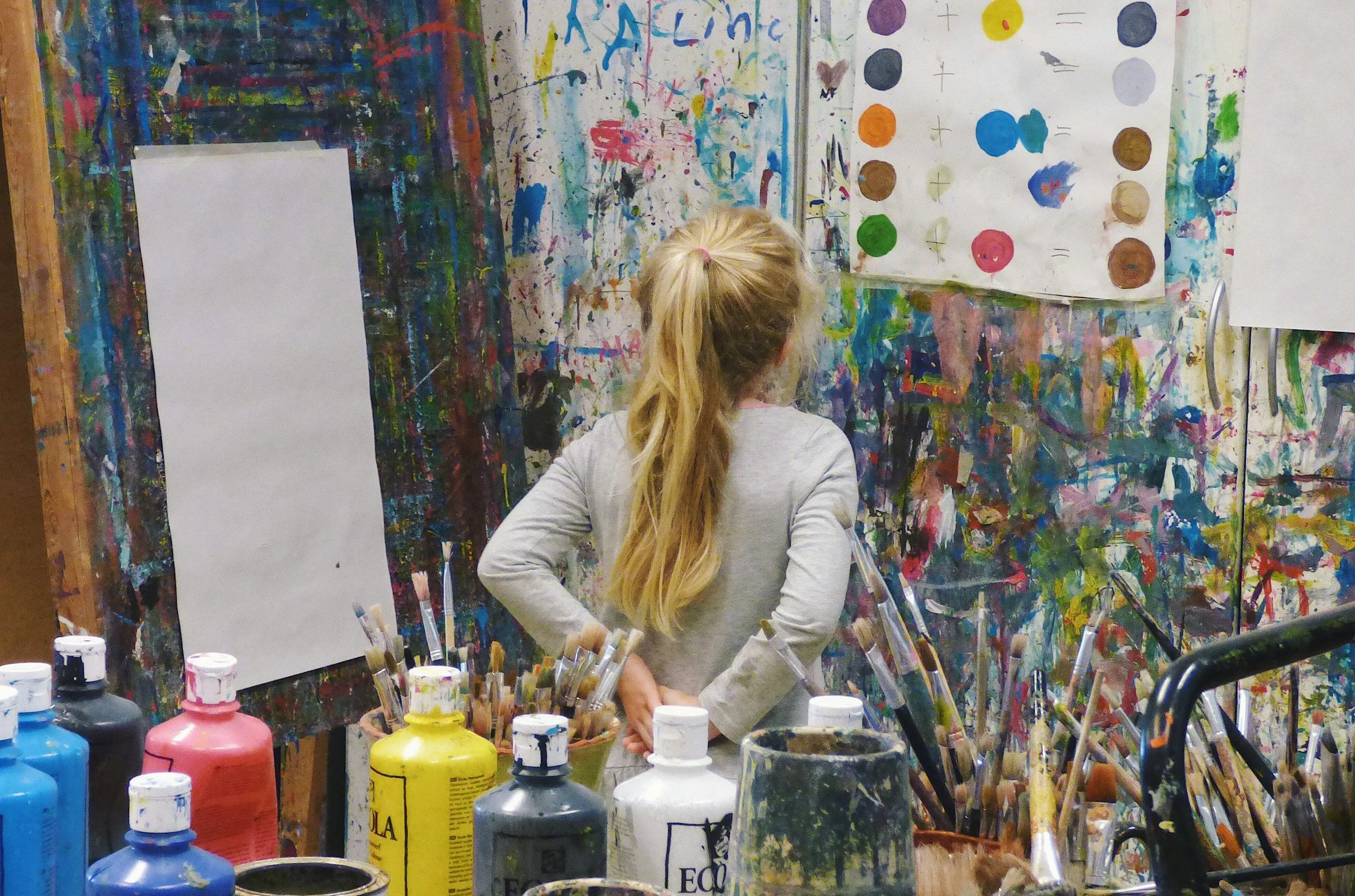
Looking for the best acrylic mediums to enhance your painting techniques? This guide reviews top beginner-friendly acrylic mediums that improve texture, flow, drying time, and finish without complicating your workflow. Whether you’re a hobbyist, student, or aspiring painter, we’ve hand-picked mediums that help you achieve smooth blending, glossy or matte finishes, and durable results. You’ll learn what to look for in terms of medium type, compatibility with paints, and overall value, plus tips for choosing the right mediums based on your style and projects. Elevate your acrylic paintings with the perfect mediums for creative control and expressive results.
Our Picks
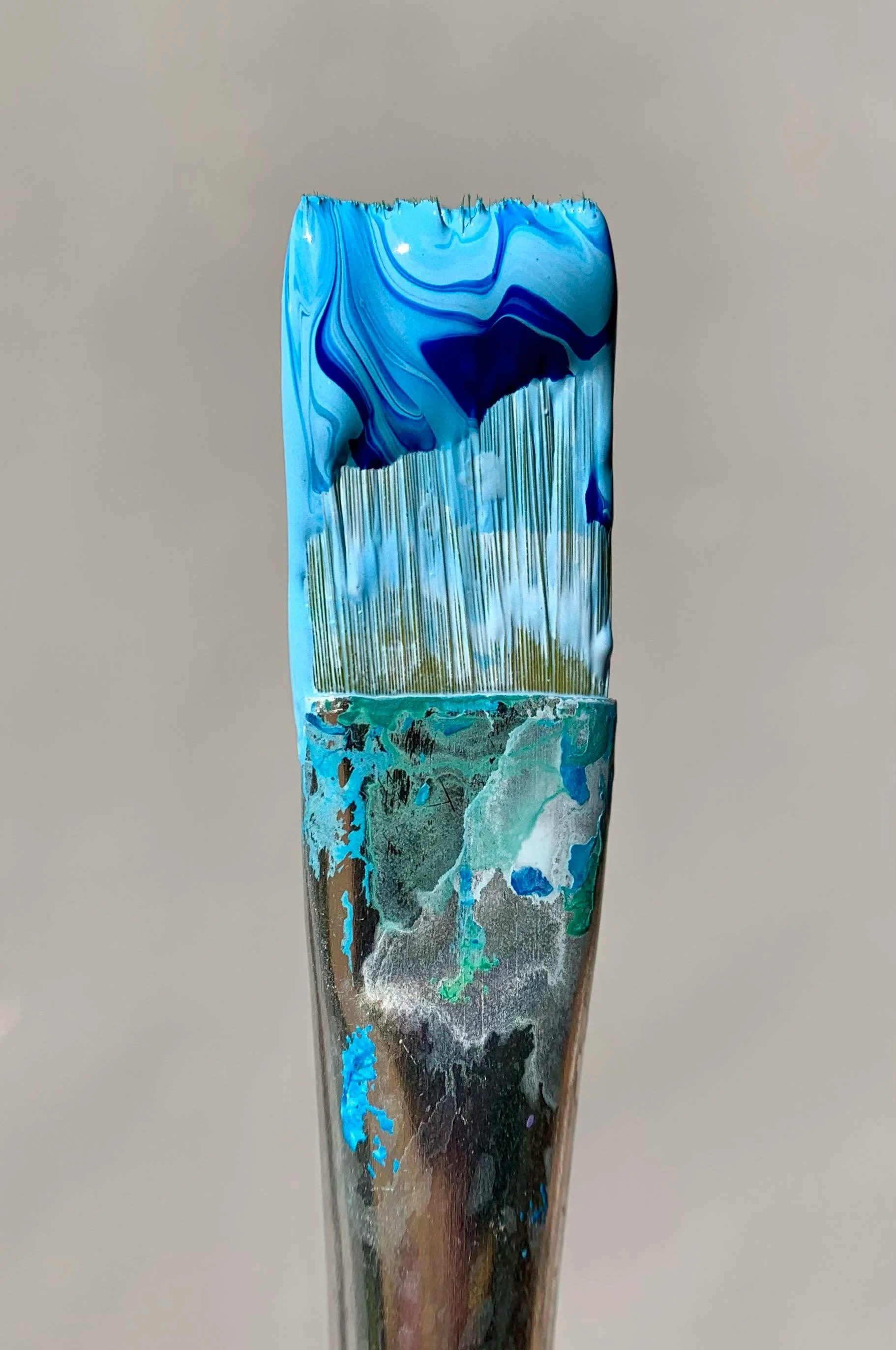
PICK #1 — Best All-Purpose Medium for Acrylic Pain
Product: Liquitex Basics Gloss Gel Medium
This medium is like a universal translator for acrylics: it increases transparency, builds volume, and gives a slick, glossy finish that makes colors pop like they had an espresso. Mix it with your paint to extend it, use it to add texture, or slap it on clear for a smooth adhesive layer. Like a Swiss Army knife—only shinier.
Best for: Painters who want one medium that does most of the jobs well
What we like: Versatile, glossy finish, works for texture and glazing
What to know: Gloss will amplify shine—matte fans may want a companion product
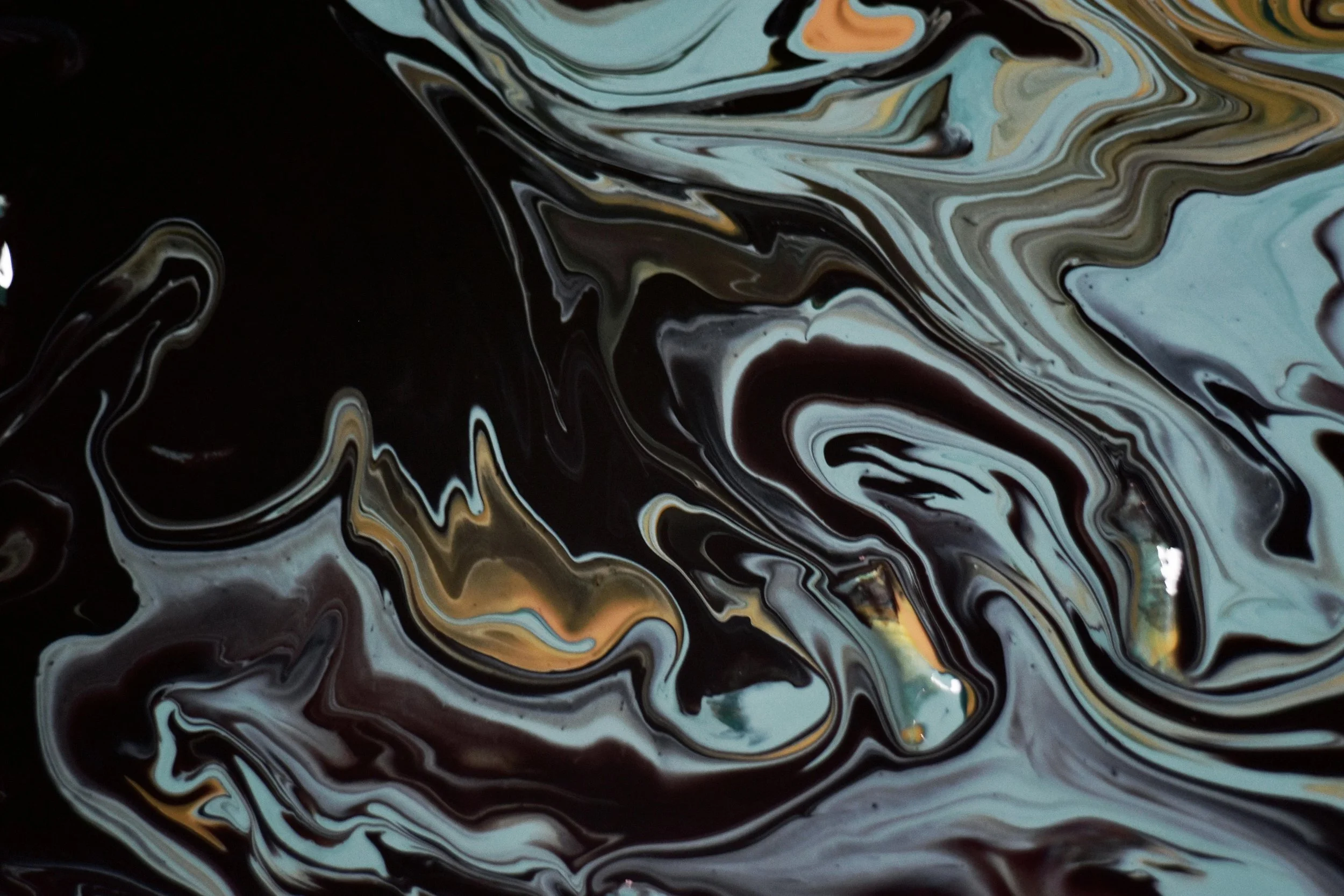
PICK #2 — Best Matte Gel Medium
Product: Liquitex Matte Gel Medium
If gloss mediums are the life of the party, this matte gel medium is the reliable friend who keeps things grounded. It thickens acrylics, preserves brush marks, and gives a flat, sophisticated finish without that lustrous glare. Ideal when you want texture and mood, not shine.
Best for: Artists who prefer a non-reflective, textured finish
What we like: Thicker body, rich texture, matte clarity
What to know: Less sheen means deeper color absorption, which can make washes look subtle
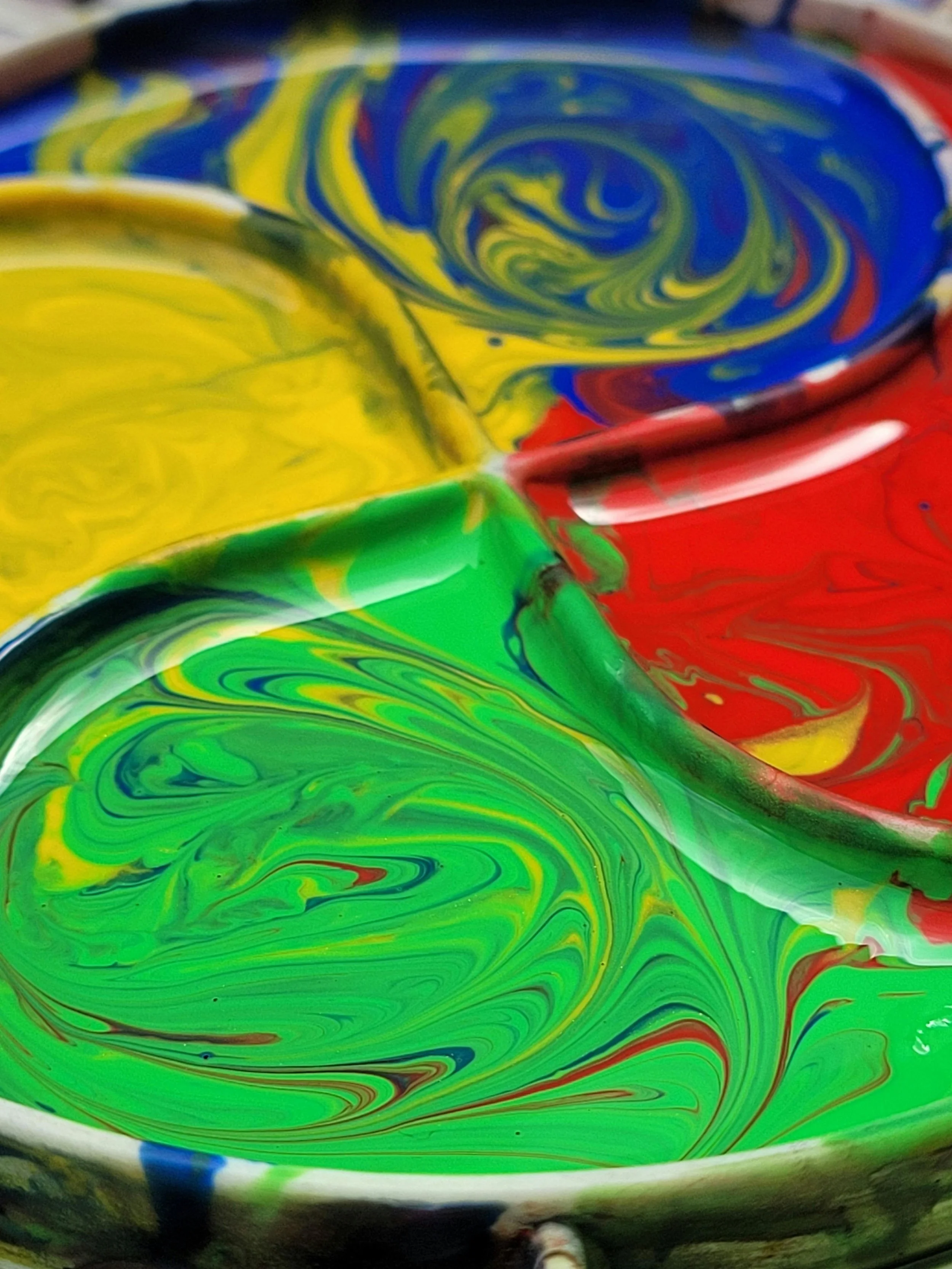
PICK #3 — Best Heavy Gel for Impasto & Texture
Product: Liquitex Gloss Heavy Gel Medium
Want your acrylics to behave like buttery oil paint with structure? This heavy gel is your secret ingredient. It boosts body, lets you build peaks and sculpt with a brush or knife, and still dries clear with a glossy sheen. Think of it as muscle for your paint.
Best for: Painters who like texture, impasto, and bold, dimensional effects
What we like: Thick, clear, excellent for sculptural strokes
What to know: Gloss finish will make texture pop—matte lovers should balance with a flat varnish
PICK #4 — Best Flow Medium for Smooth Application
Product: Master's Touch Acrylic Flow Medium
This stuff is like a personality softener for acrylics. Add a bit to your paint and it suddenly glides like it’s on rollerskates—perfect for smooth gradients, delicate blending, and brushwork that isn’t screaming at you. It thins without losing adhesion or crazing, so your colors behave instead of rebelling.
Best for: Blending, glazing, and achieving a silky-smooth application
What we like: Enhances flow without weakening paint film
What to know: It won’t create body or texture—pair with gels if you want dimension
Your Questions, Answered
-
We prioritized versatility, painter control, and how each medium alters the paint’s behavior—whether that’s sheen, texture, or flow. Our selections are useful across techniques and experience levels, so you aren’t buying specialty bottles you’ll never open.
-
Gloss adds shine and depth, matte knocks down reflectivity for a smooth finish, gel increases body and texture, and flow makes acrylic paint glide like a pro brush whisperer. All mix with acrylics to change how they lay down or dry.
-
Some mediums (especially heavier gels) can slightly slow the drying process, giving you a bit more working time—but acrylics will still dry significantly faster than oils. If you need longer wet time, consider a dedicated slow-dry medium in addition.
-
Not necessarily. If budget or space is limited, start with a gloss and a matte gel—those two cover most needs (texture and sheen control). Add a flow medium once you’re comfortable with how acrylic paints behave.