
Best Brushes for Acrylic Painting
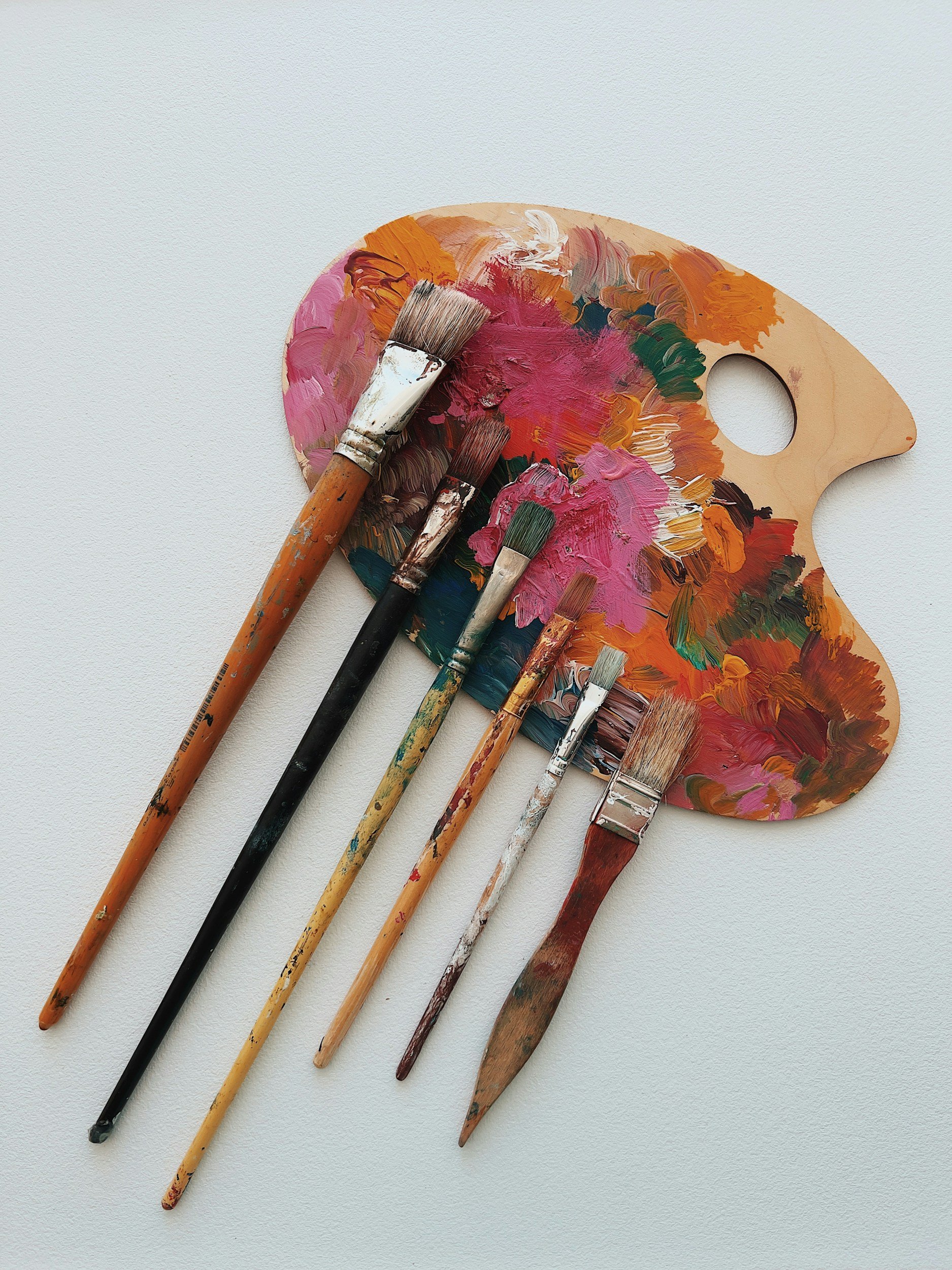
Looking for the best brushes for acrylic painting to elevate your artwork? This guide highlights top acrylic paint brushes that offer excellent control, durability, and smooth application for beginners and experienced artists alike. We’ve selected brushes that hold paint well, maintain their shape, and handle acrylics’ fast-drying nature with ease. Whether you’re working on fine details, bold strokes, or textured techniques, you’ll learn what to look for in brush shapes, bristle types, and handle comfort plus tips for choosing the right brushes based on your painting style and projects. Paint with confidence using brushes that truly perform.
Our Picks
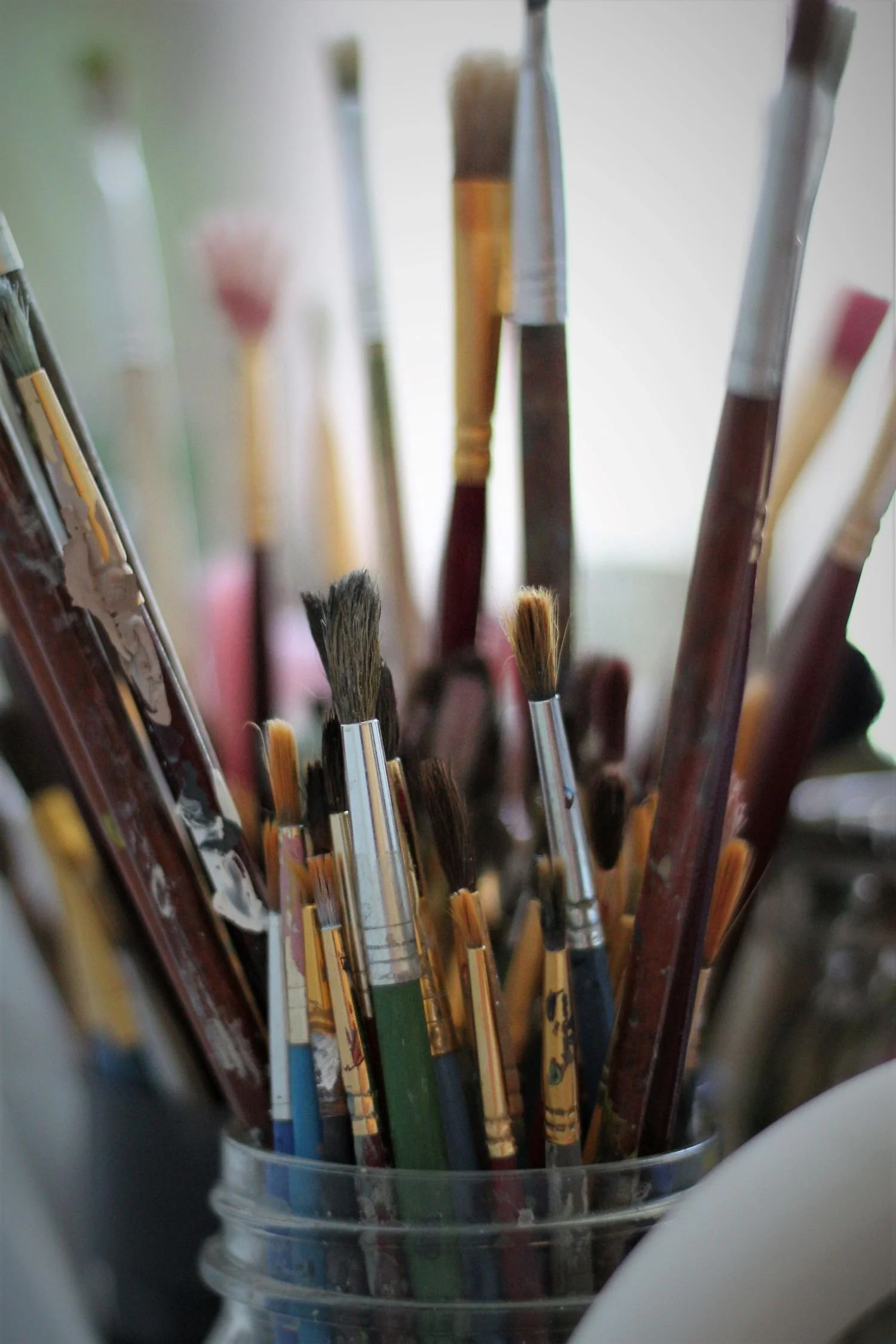
Product: Princeton Select Artiste Acrylic Brush Set
This is the brush set that makes you feel like you might know what you’re doing. The bristles are springy without being jerky, the handles feel like actual human hands (not tiny broomsticks), and they play nicely with acrylic’s temperament. It’s the hairbrush equivalent of brushing your hair and having it behave afterward.
Best for: Beginners through intermediate painters who want brushes that don’t make excuses
What we like: Versatile shapes, dependable performance, no mystery shedding
What to know: Not labeled “pro,” but they act like they pay rent
PICK #1 — Best Overall Brush Set
PICK #2 — Best Budget Brush Set
Product: Royal & Langnickel Soft Grip Paint Brushes (5 Piece Brush Set)
Meet the no-frills brushes that punch above their price point. These are the sensible roommates of your paint kit: they show up, they do their job, and they don’t ask for much except maybe a rinse now and then. They won’t make you a better painter overnight, but they won’t sabotage you either.
Best for: Beginners on a budget or anyone who hates spending too much on tools
What we like: Good variety for the price, respectable control
What to know: Slightly stiffer bristles, but perfect for everyday use
PICK #3 — Best for Detail & Precision
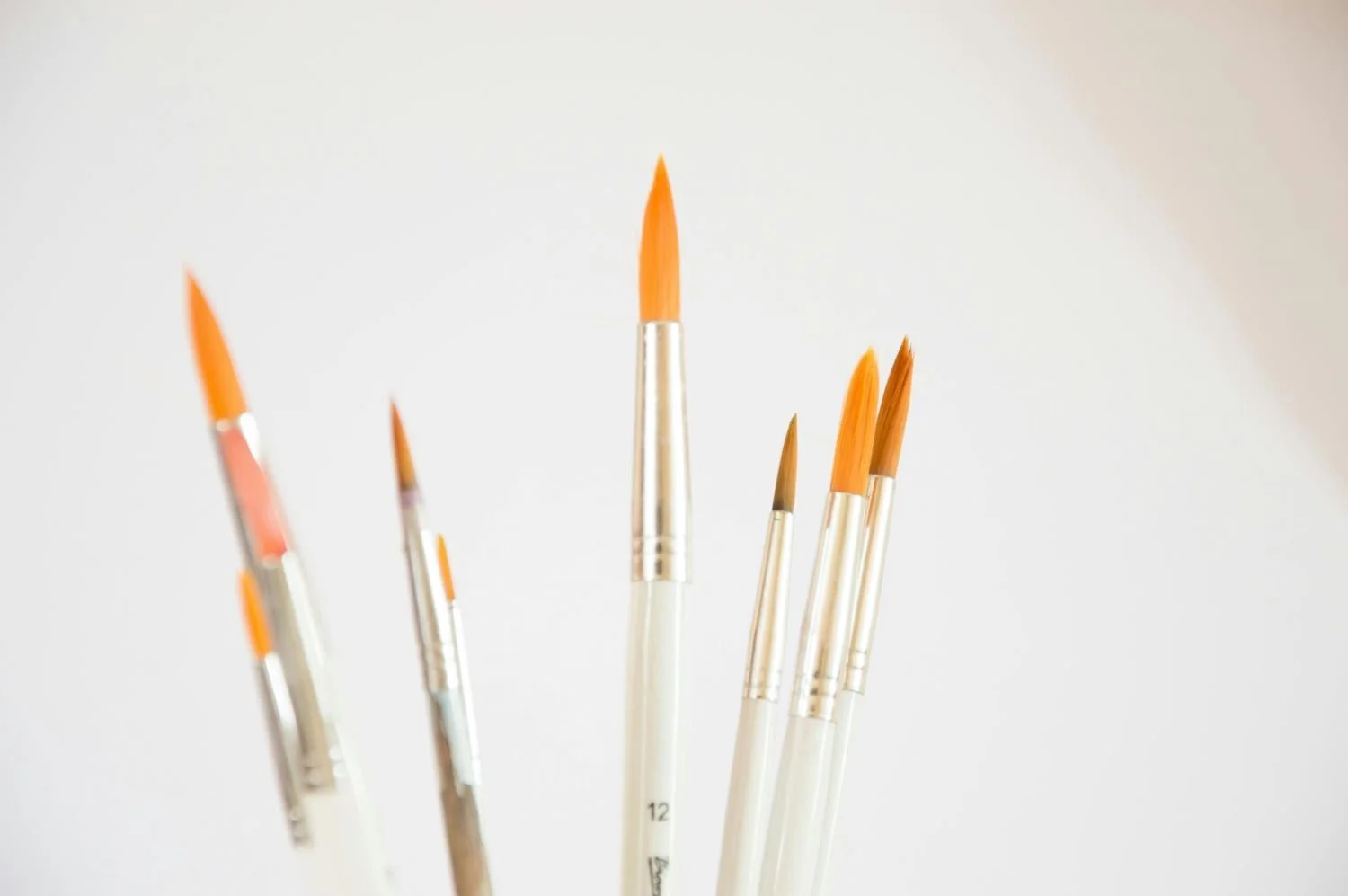
Product: Da Vinci Acrylic Brush Set (Fine Detail Series)
When your painting session turns into “I swear there was a tiny leaf right here…”, these fine-detail brushes step in. They hold paint well without dripping, and the tips stay sharp enough to make your inner perfectionist a little too happy. These are the brushes you reach for when you’ve moved from “Whoops” to “Whoa, that’s intentional.”
Best for: Small work, highlights, crisp edges, and people who love tiny things
What we like: Superb point control, smooth paint flow, delightfully pointy
What to know: Not ideal for broad washes—you’ll get tired arms fast
Product: Winsor & Newton Galeria Acrylic Brush Set
These brushes are like the Swiss Army knives of the acrylic world: not dramatic, not expensive, but honestly capable of everything you ask of them. Filaments that handle medium thickness paint, comfortable grips, and cleaning that doesn’t feel like washing grit out of a cat’s fur. A reliable crowd-pleaser if acrylic brushes had HR departments.
Best for: Beginners who want one set that actually covers most tasks
What we like: Sturdy build, good paint pickup, versatile selection
What to know: Not couture-level, but so dependable you forget to complain
PICK #4 — Best All-Around Acrylic Brushes
Your Questions, Answered
-
We focused on brushes that are genuinely beginner-friendly: durable bristles that can handle thicker acrylic paint, useful shapes (not filler sizes), comfortable handles, and consistent performance across multiple sessions. We also prioritized brands with a strong track record—because fighting your tools is not how anyone should learn to paint.
-
Fewer than you think. A beginner can do 90% of their painting with 5–7 brushes total. Anything more tends to create clutter, confusion, and a false sense of productivity. It’s better to learn what a small set can do well than to own 30 brushes you don’t know how to use.
-
If you’re starting out, focus on:
Flat brushes for blocking in color and sharp edges
Round brushes for general use and detail work
Filbert brushes for soft blending and curved strokes
You can skip specialty shapes until you know you need them.
-
No. In fact, ultra-expensive brushes can make learning more stressful. Quality student-grade or mid-range brushes are ideal because they’re durable, forgiving, and easier to replace. Save professional brushes for later—when your technique can actually take advantage of them.