
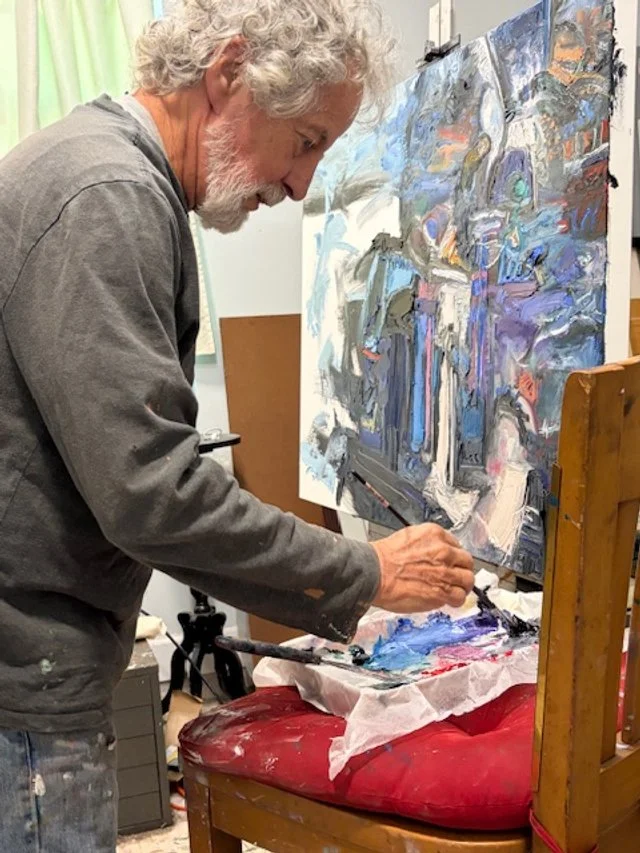
Community Art Centers
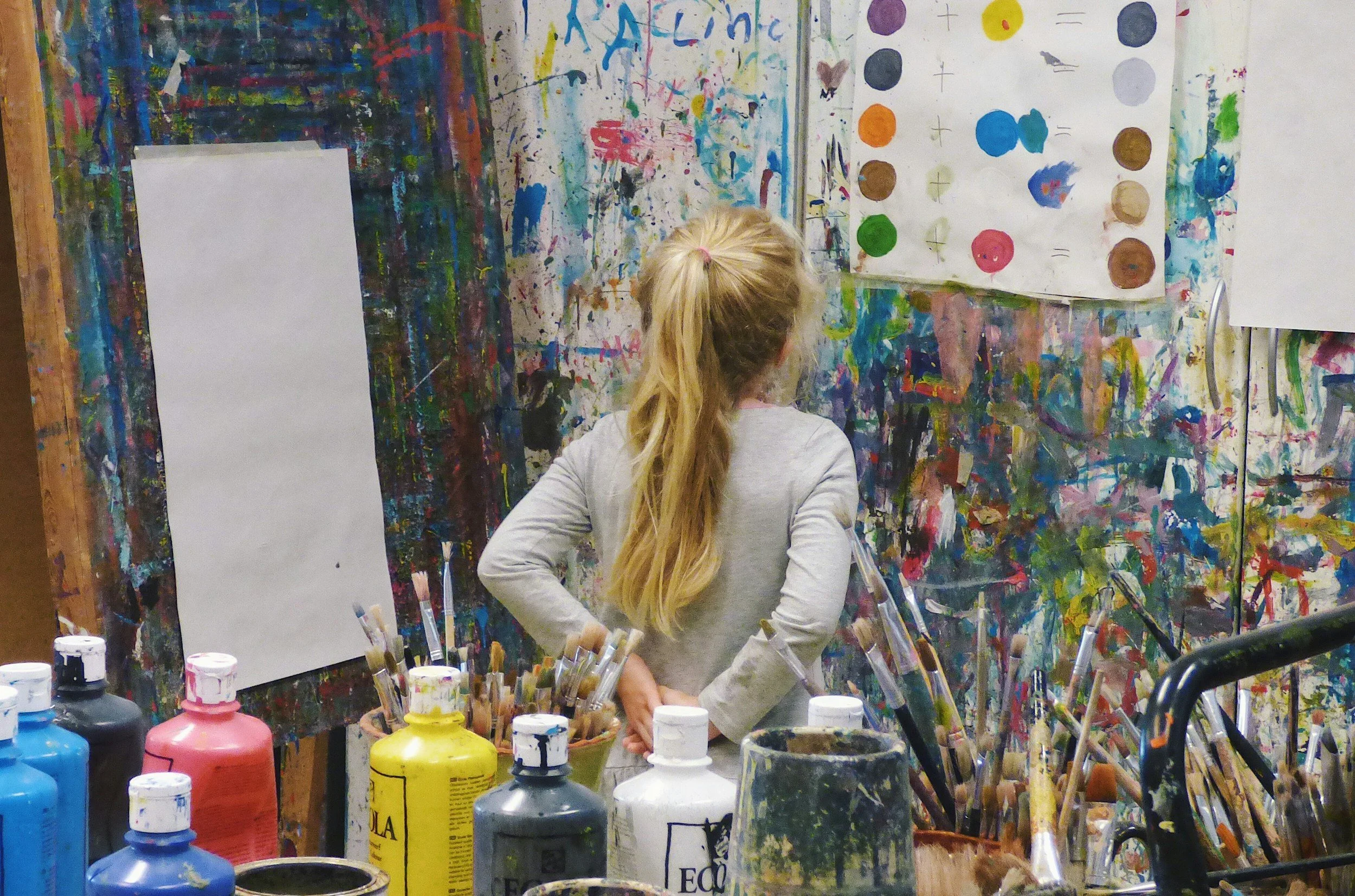
Community art centers are often the unsung heroes of local creative education. These spaces typically offer:
Short classes and multi-week courses
Workshops across drawing, painting, ceramics, printmaking, and mixed media
Instruction from working local artists
Sliding scale or low-cost pricing
They are ideal for beginners, returning artists, and anyone who wants structure without academic pressure. Many also host open studios, exhibitions, and artist talks — making them hubs for both learning and connection.
Why they matter:
Community centers emphasize accessibility over prestige, and experimentation over perfection.
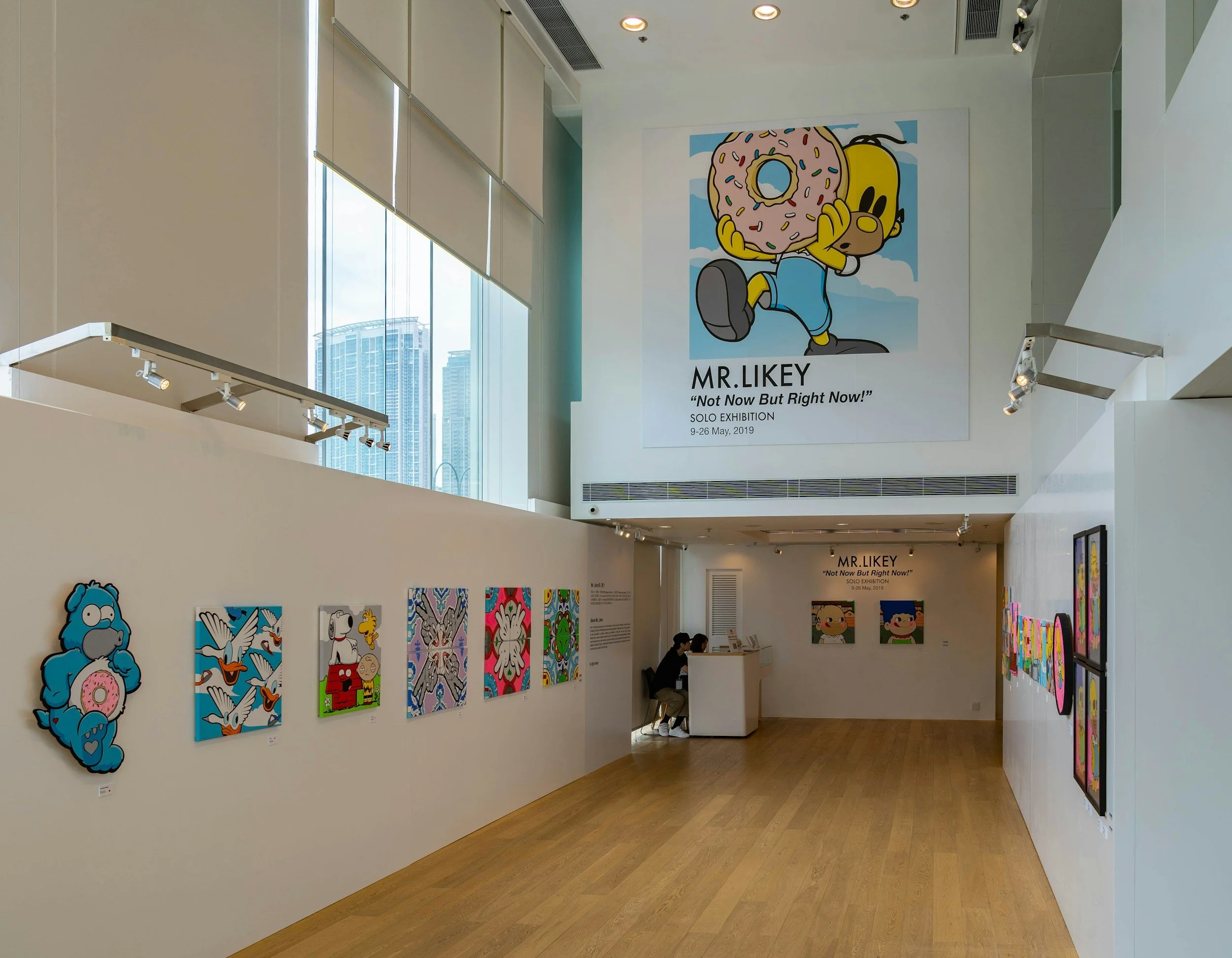
Where to Learn Art In Person
Learning art online is convenient. Learning art in person is transformative.
There’s something irreplaceable about being in the same room as other artists — hearing questions you didn’t know to ask, seeing materials up close, watching techniques unfold in real time, and feeling part of a creative community rather than a solo practice. Whether you’re new to art or deeply established, in-person learning offers connection, accountability, and perspective that no algorithm can replicate.
Below are some of the most reliable, accessible places to learn art in person — many of them closer (and more affordable) than you might expect.
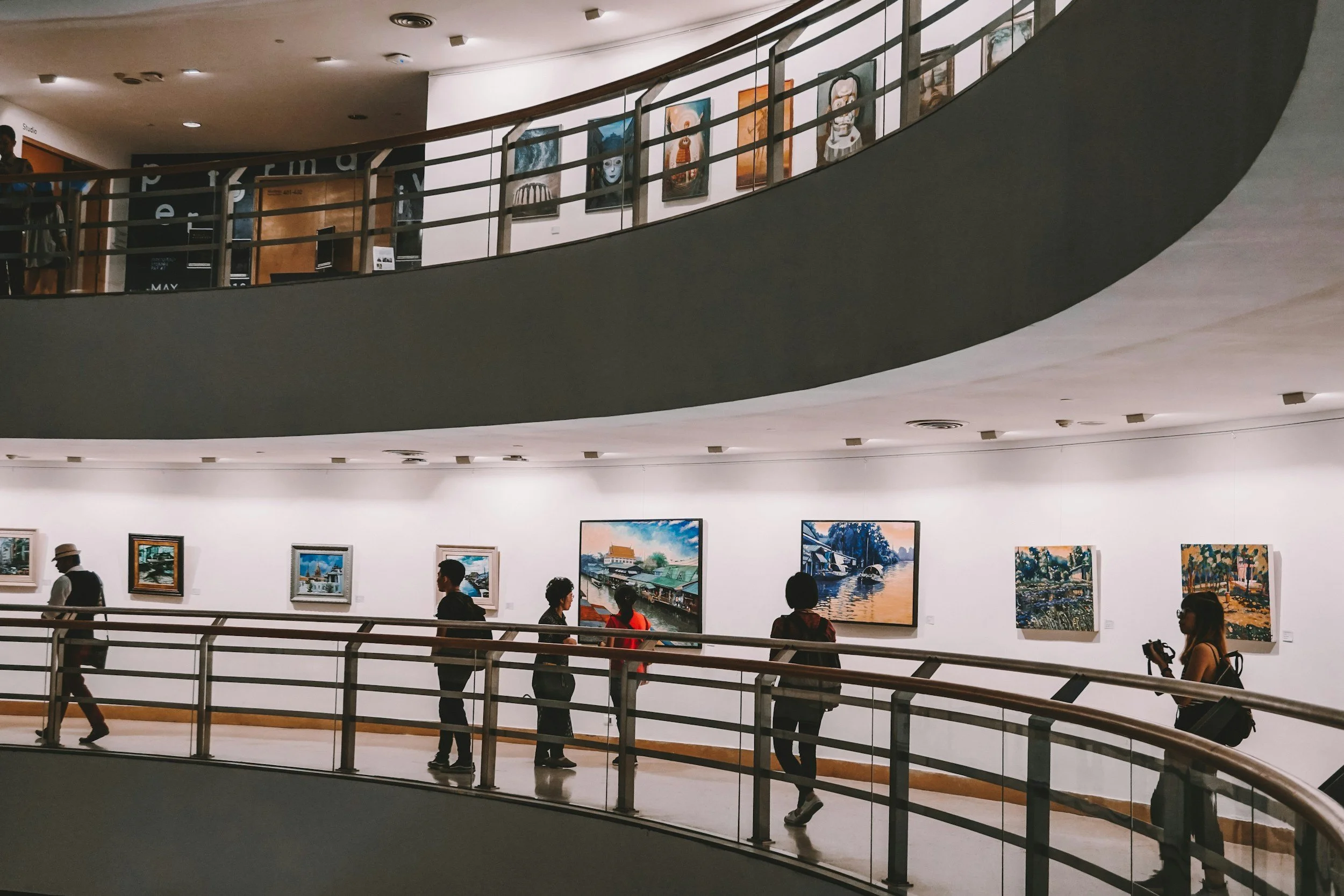
Colleges & Universities (Beyond Degree Programs)
You don’t need to pursue a degree to benefit from a college art department.
Many colleges and universities offer:
Continuing education or extension programs
Non-credit studio classes
Evening or weekend workshops
Public lectures, critiques, and exhibitions
Community colleges in particular are an excellent option for high-quality instruction at a fraction of the cost of private programs.
Why they matter:
They provide strong fundamentals, access to facilities, and exposure to academic perspectives — without requiring full enrollment.
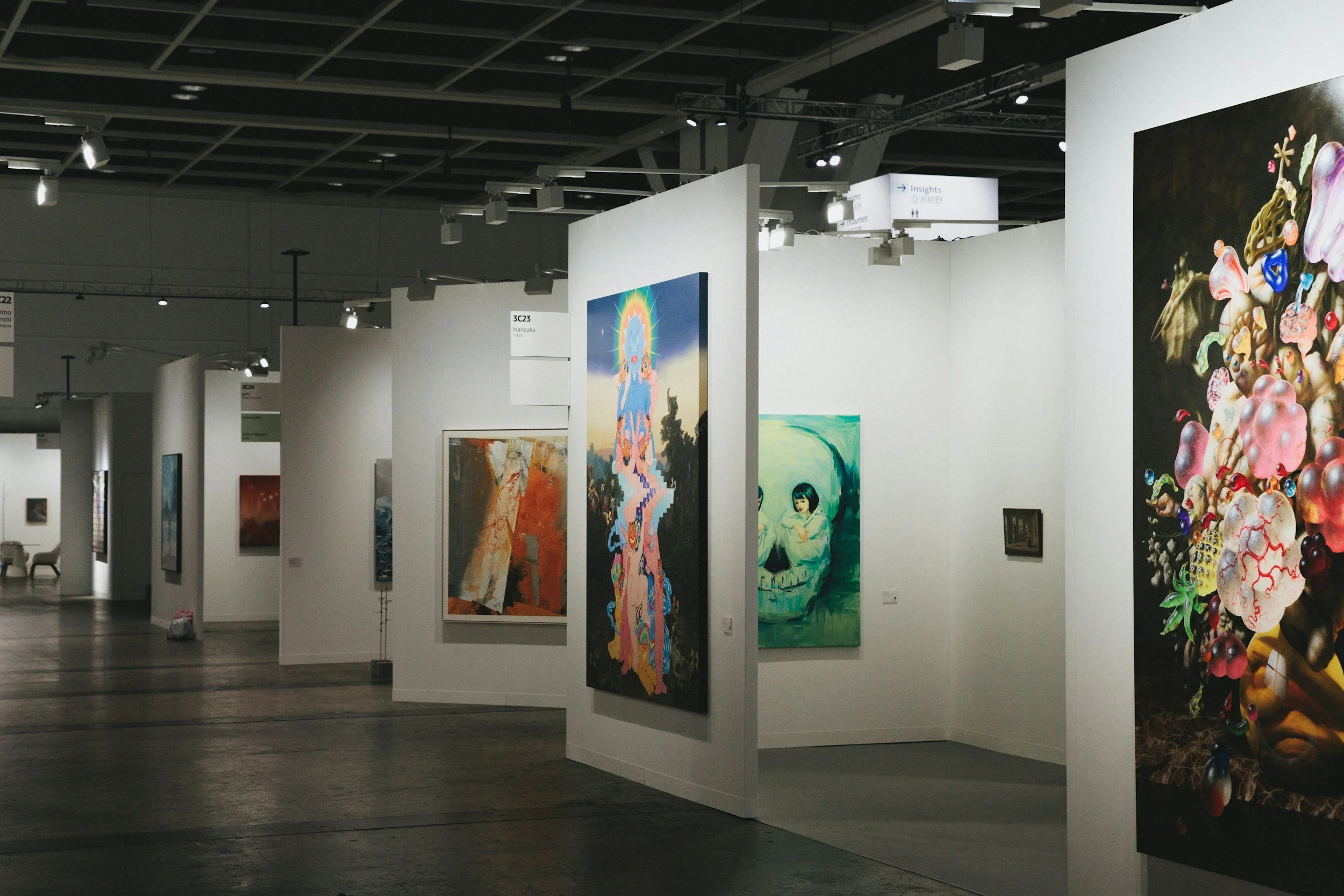
Art Associations & Guilds
Local and regional art associations often focus on specific disciplines (painting, printmaking, photography, fiber arts, etc.) and offer:
Member workshops and demonstrations
Critique groups
Mentorship opportunities
Exhibitions and open calls
These organizations tend to attract artists at all stages and are especially valuable for those looking to deepen practice rather than start from scratch.
Why they matter:
They connect you to peers who are actively exhibiting, teaching, and sustaining creative lives.
Teaching & Mentoring as Learning
One of the most overlooked ways to learn art in person is to teach or mentor others.
Leading workshops, assisting in classes, or mentoring emerging artists forces you to articulate your process, reflect on decisions, and clarify what you actually know.
Why it matters:
Teaching is learning — often at a deeper level.
Libraries & Cultural Institutions
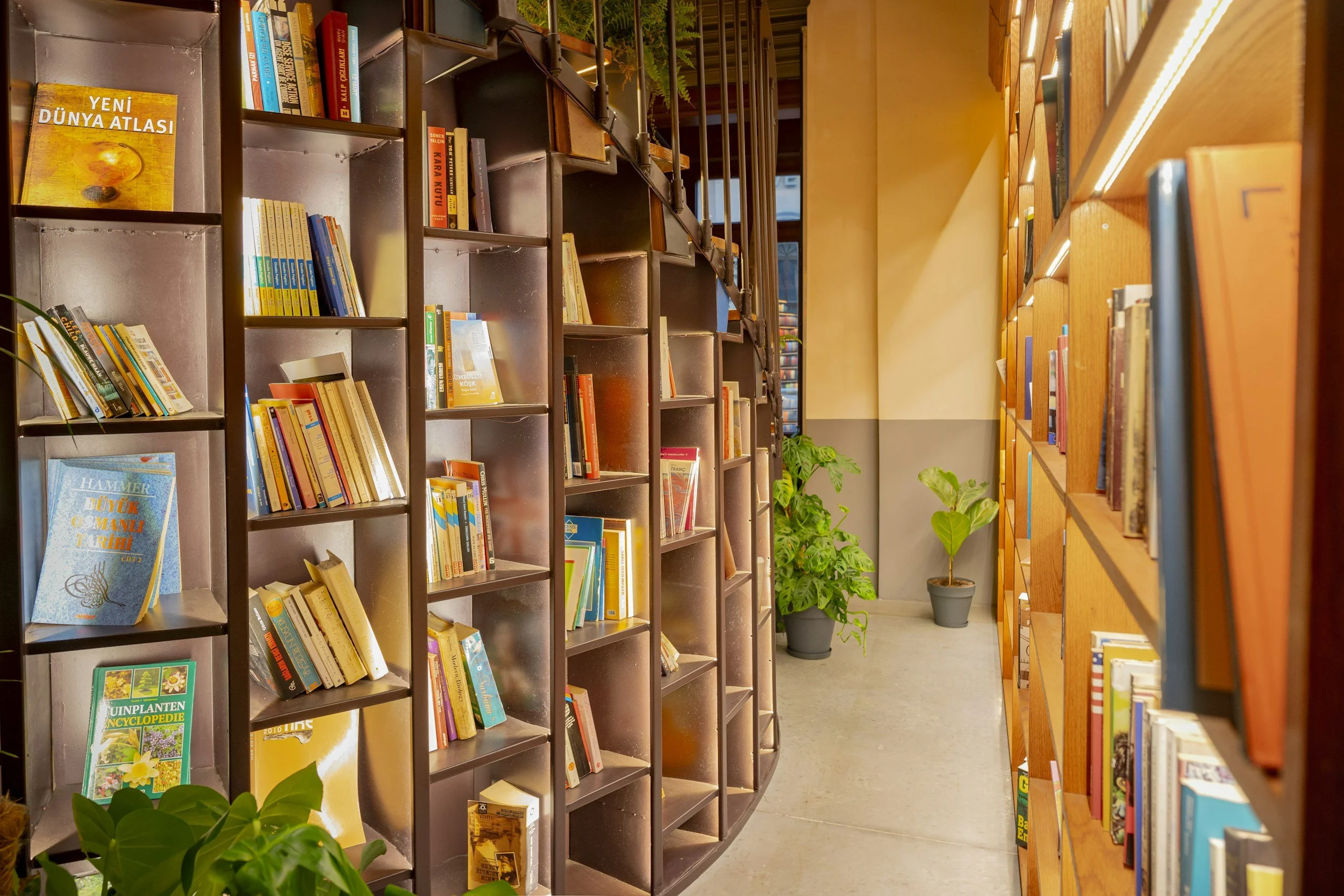
Libraries are increasingly active in the creative education space. Many host:
Free or low-cost art workshops
Lecture series and artist talks
Access to art books, archives, and digital resources
Community maker spaces
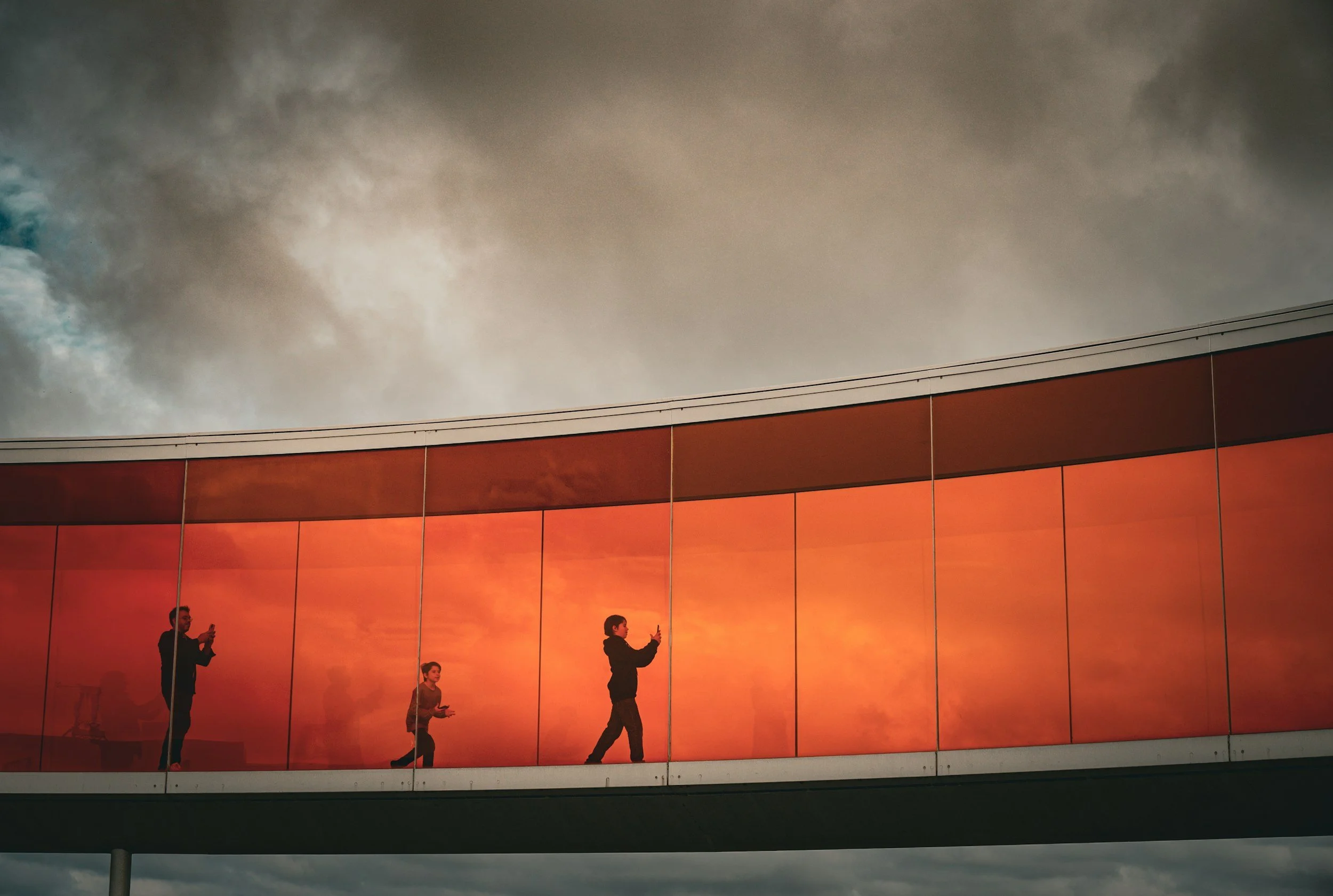
Museums and cultural institutions often offer public programs tied to exhibitions, providing rich context and visual literacy alongside hands-on learning.
Why they matter:
They remove barriers to entry and emphasize learning as a public good.
Independent Studios & Artist-Run Spaces
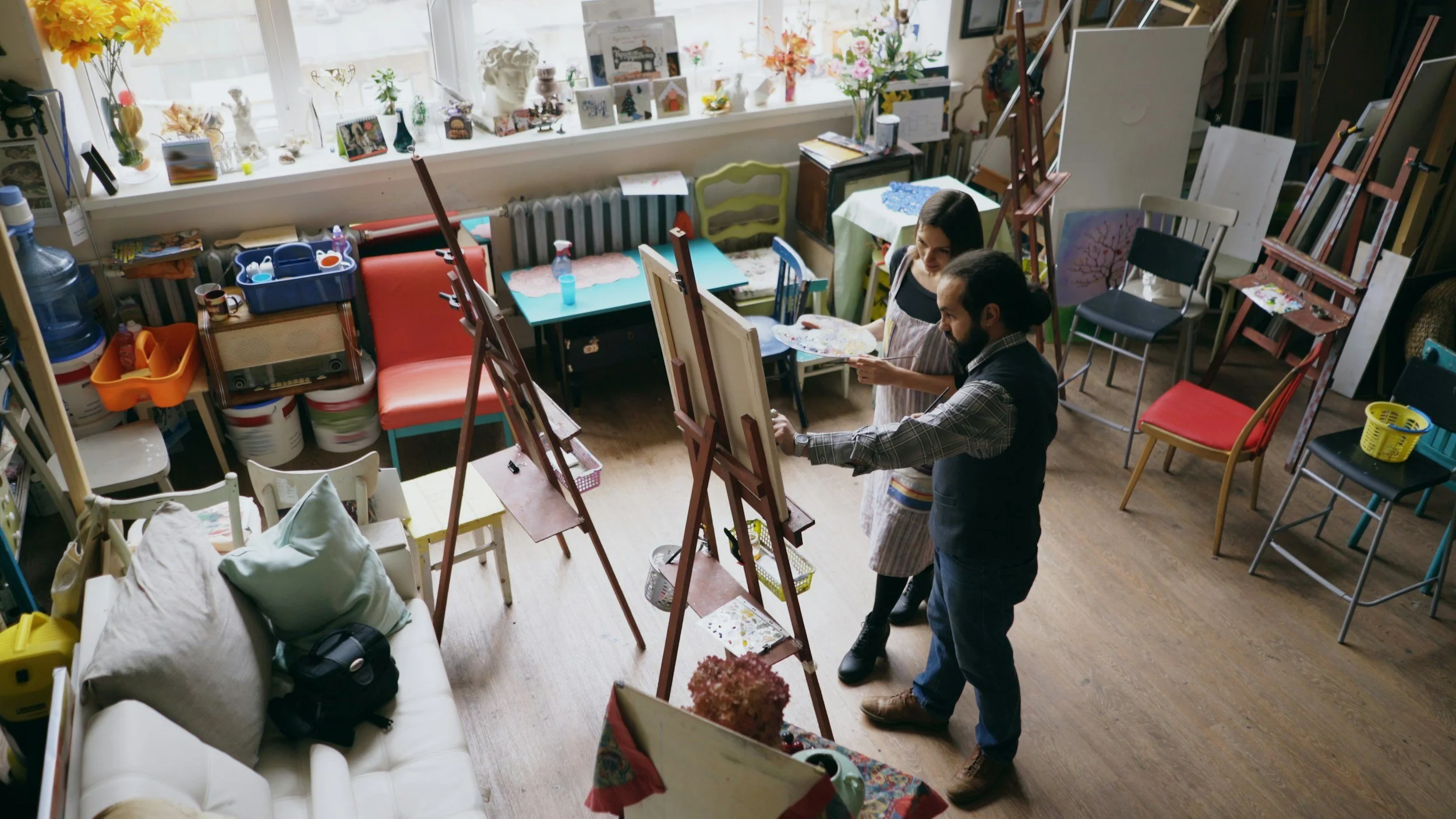
Many working artists teach from their own studios or collaborate in shared spaces. These offerings may include:
Small group classes
Technique-specific workshops
Open studio days
Mentorship or critique sessions
These environments tend to be informal, hands-on, and deeply grounded in real-world practice.
Why they matter:
You learn not just how to make art, but how artists actually work.
Museums, Galleries & Exhibition Programs
Learning doesn’t always look like a class.
Museum openings, gallery talks, panel discussions, and exhibition walkthroughs are powerful forms of education. They expose you to:
Contemporary and historical contexts
Curatorial decisions
How work is presented and discussed publicly
Even passive attendance builds visual language and critical thinking.
Why they matter:
They situate your practice within a broader artistic conversation.
How to Start (Without Overthinking It)
If you’re unsure where to begin:
Search for local “community art center” + your city
Check nearby colleges’ continuing education pages
Visit library event calendars
Attend a gallery opening, even if you go alone
Ask local artists where they learned
You don’t need to commit long-term. Showing up once is enough to open the door.
Final Thought
Art is not meant to be learned in isolation. In-person learning builds confidence, context, and community — and reminds us that creativity is a shared human experience. Whether you’re picking up a pencil for the first time or refining decades of practice, there is a place near you where learning is happening.
Sometimes, all it takes is walking in.